

Common Causes of Acid Reflux
Acid reflux has become one of the most common digestive problems among people in this era, especially after COVID.
The burning sensation, sour taste in your mouth, and bloating, are not always signs of a gastric issue that will get cured after drinking Eno or Limca, but they can be symptoms of something more serious, like acid reflux.
Vedic Suttra Wellness Centre has cured many patients who had acid reflux, and their main question was always, “How can I have acid reflux? What caused it?”
So, here are the things that cause acid reflux.
What Is Acid Reflux?
Acid reflux is a health issue in which acid from the stomach flows back into the food pipe.
Sounds weird, right?
Well, we have studied in school that food in our body goes down through the food pipe, and then a valve opens to let the food enter the stomach and then closes so that the food does not go back up.
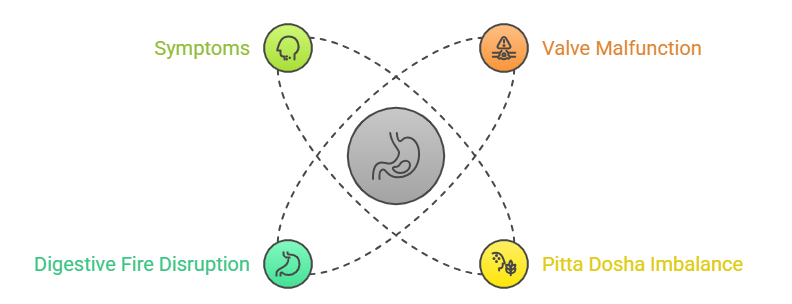
But in some situations, the valve gets a bit weak over time, allowing acid to flow back into the food pipe, and this issue is called acid reflux.
Ayurveda says that if there is an imbalance of doshas in your body, it is going to affect your health in some form.
The same applies to acid reflux, which is a condition caused by an imbalance of Pitta Dosha in the body.
Pitta Dosha is an energy that is mainly responsible for digestion and metabolism.
When the following habits become part of your daily routine, they aggravate Pitta Dosha, which then creates excessive heat and acidity in the digestive system.
This excessive heat disturbs Agni, the digestive fire, and prevents food from being digested properly, leading to symptoms such as heartburn, chest burning, a sour taste in the mouth, etc.
Causes of Acid Reflux
Poor Eating Habits
As we mentioned above, this health issue has started occurring more frequently after the COVID period, and one of the main causes is poor eating habits.
When you overeat, eat too quickly, skip meals quite often, or eat late at night, these habits can put extra pressure on your stomach and start causing digestive issues. Over time, these issues may weaken the valve that prevents stomach acid from moving upward, which can eventually lead to acid reflux.
Vedic Suttra says that such routines and habits disturb Agni, which is responsible for breaking down food and supporting digestion. Over time, this can aggravate Pitta Dosha, which is closely linked to heat and acid production in the body.
Spicy, Oily, and Acidic Foods
In a country where people live to eat, this cause is quite common.
The food items that we eat daily without giving them a second thought can be one of the biggest reasons for acid reflux.
Food items that are too spicy, oily, acidic, or highly processed can irritate the lining of the stomach and esophagus.
Over time, when the valve becomes weak, these spicy and oily food items can contribute to excessive acid production and gas formation, which may flow back into the food pipe and cause reflux symptoms. Some food items can also relax the lower esophageal sphincter, increasing the likelihood of acid reflux.
Ayurveda believes that these foods can aggravate Pitta Dosha because they increase heat within the body. When consumed regularly, they can overstimulate Agni (digestive fire), which may lead to acid reflux, gastritis-like symptoms, and digestive discomfort.
Stress and Mental Pressure
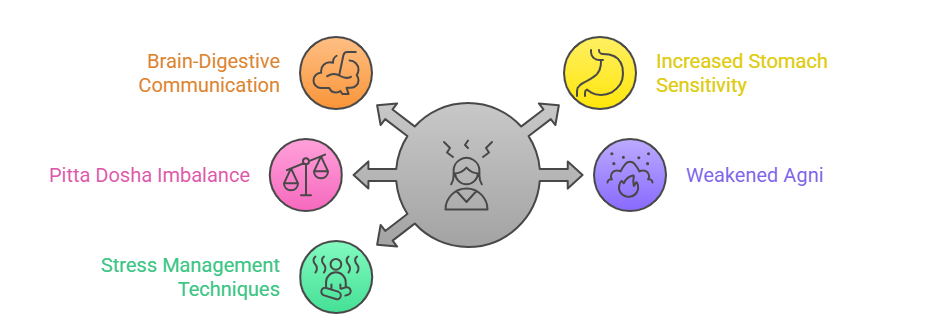
Stress and mental pressure are often overlooked causes of acid reflux. When a person is stressed, the communication between the brain and digestive system can be affected, leading to slower digestion and increased stomach sensitivity. This may result in symptoms such as heartburn, bloating, indigestion, and acid reflux. Many people notice that their digestive problems worsen during stressful periods, even when their diet remains unchanged.
According to Ayurveda, emotional stress, excessive worry, anger, and mental exhaustion can disturb the balance of Pitta Dosha, which is associated with heat and digestion. This imbalance may increase acidity and contribute to acid reflux.
Stress can also weaken Agni (digestive fire), making digestion less efficient and leading to the formation of Ama (toxins). This can further aggravate digestive discomfort.
Ayurveda recommends reducing stress through meditation, yoga, deep breathing exercises, proper sleep, and a balanced lifestyle. Managing stress not only supports mental well-being but also helps improve digestion and reduce acid reflux symptoms naturally.
Lying Down After Eating
Lying down immediately after eating is a common habit that can trigger acid reflux. When you lie down soon after a meal, gravity can no longer help keep food and stomach acid in place. As a result, acid can flow back into the esophagus, causing symptoms such as heartburn, chest discomfort, a sour taste in the mouth, and throat irritation.
Many people notice that their reflux symptoms become worse at night, especially if they eat a heavy meal close to bedtime. Habits such as taking a nap after lunch, reclining on a sofa after eating, or sleeping soon after dinner can increase the risk of acid reflux.
According to Ayurveda, lying down immediately after meals weakens Agni (digestive fire), making digestion slower and less efficient. This can lead to the formation of Ama (toxins), which may disturb the balance of the doshas and contribute to digestive problems, including acidity and acid reflux.
To support healthy digestion, Ayurveda recommends taking a short walk after meals and remaining upright for some time. Health experts also suggest waiting at least 2–3 hours before lying down or going to bed.
Obesity and Excess Abdominal Pressure
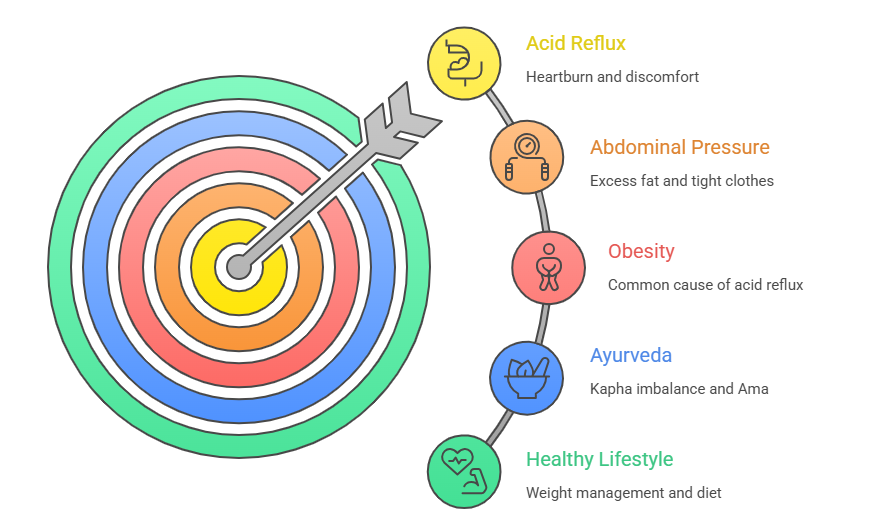
Being overweight, especially around the abdomen, can increase the risk of acid reflux. Excess fat around the stomach puts pressure on the digestive organs, making it easier for stomach acid to flow back into the esophagus. This can lead to symptoms such as heartburn, acidity, bloating, and discomfort after meals.
Obesity is one of the most common causes of chronic acid reflux. Other factors that can increase abdominal pressure include pregnancy, wearing tight-fitting clothes, and eating large or heavy meals.
According to Ayurveda, excess body weight is often associated with an imbalance of Kapha Dosha and a weakened Agni (digestive fire). When digestion becomes slow, food is not properly processed, leading to the accumulation of Ama (toxins). This can contribute to weight gain, poor digestion, and increased acidity.
Maintaining a healthy weight through a balanced diet, regular physical activity, and healthy eating habits can help reduce abdominal pressure, improve digestion, and lower the risk of acid reflux naturally.
Smoking and Alcohol
Smoking and drinking are two habits that not only cause serious health issues such as cancer and digestive disorders, but can also contribute to acid reflux.
Apart from food and dietary factors, smoking and alcohol can weaken the lower esophageal sphincter (LES), the valve that prevents stomach acid from flowing back into the esophagus. When this valve weakens, acid reflux can occur, leading to symptoms such as heartburn, chest burning, throat irritation, and a sour taste in the mouth.
Smoking also reduces saliva production, making it harder for the body to protect the esophagus from acid damage.
According to Ayurveda, smoking and alcohol aggravate the Pitta dosha, creating excessive internal heat and acidity. They may also disturb Agni (digestive fire), leading to digestive imbalance.
Alcohol can further worsen acid reflux by increasing stomach acid production and relaxing the LES. It may also irritate the lining of the stomach and digestive tract, causing symptoms such as acidity, indigestion, and heartburn, especially after heavy or spicy meals.