Padabhyanga Therapy in Noida
At Vedic Suttra Wellness Center in Sector 93, Noida, it is planned and supervised
by Dr. Anu Jaiswal (BAMS), who has more than two decades of Ayurvedic practice.
Padabhyanga Therapy in Noida
At Vedic Suttra Wellness Center in Sector 93, Noida, it is planned and supervised by Dr. Anu Jaiswal (BAMS), who has more than two decades of Ayurvedic practice.
What Is Padabhyanga?
The name explains the therapy. Pada means foot and Abhyanga means oil massage. Padabhyanga is part of Dinacharya, the daily self-care routine described in Ayurveda. The Charaka Samhita (Sutrasthana, chapter 5) praises regular foot massage, and the Ashtanga Hridaya advises applying oil to the head, ears and feet in particular.
Each foot holds five marma points, the sensitive junctions of muscle, vein, tendon and bone that Ayurveda treats with care:
- Kshipra: between the big toe and the second toe
- Talahridaya: the centre of the sole
- Kurcha and Kurchashira: along the foot, between the toes and the heel
- Gulpha: the ankle joint
How Padabhyanga Works
In Ayurvedic terms, the feet are a main seat of Vata dosha, the dry, cold and mobile force in the body. When Vata rises, the feet turn rough and dry, the heels crack, the legs ache and sleep gets light. Warm oil is the opposite of these qualities: it softens, warms and settles Vata. The classical texts also link the feet to the eyes, which is why foot massage has long been advised for tired eyes.
In simple physical terms, the massage increases blood flow to the feet and lower legs and relaxes the muscles of the arch and calf. The soles carry a dense network of nerve endings, so slow, rhythmic pressure there helps the body shift into a rested, calm state. This is why many people feel sleepy and light after a session.
Benefits of Padabhyanga
The Charaka Samhita lists these effects of regular foot massage, and they match what our patients report most often
Softens rough, dry skin and helps heal cracked heels
Eases stiffness, tiredness and numbness in the feet
Relieves aching after long hours of standing, walking or travel
Calms aggravated Vata dosha
Helps you relax and fall asleep more easily
Linked in classical texts to clear, rested eyes
Soothes burning feet when the doctor chooses cooling oil or ghee
Improves circulation in the feet and lower legs
Traditionally used to guard against sciatica-type pain
Conditions It Is Commonly Used For
Cracked heels and dry, rough feet
Stress and anxiety
Tired, aching feet from standing or walking all day
Trouble falling asleep and restlessness at night
A burning sensation in the soles
Eye strain from long hours at a screen
Sciatica and leg pain, as part of a wider plan
Numbness, tingling or cramps in the feet and calves
The Procedure at Vedic Suttra, Step by Step
Consultation
Dr. Anu Jaiswal checks your body type (Prakriti), your complaints and the condition of your feet. She confirms the therapy suits you and chooses the oil.
Foot Cleansing
Your feet are washed in warm water and dried with a soft towel to prepare the skin for Ayurvedic foot massage therapy and warm oil application, promoting comfort and relaxation naturally.
The Oil Massage
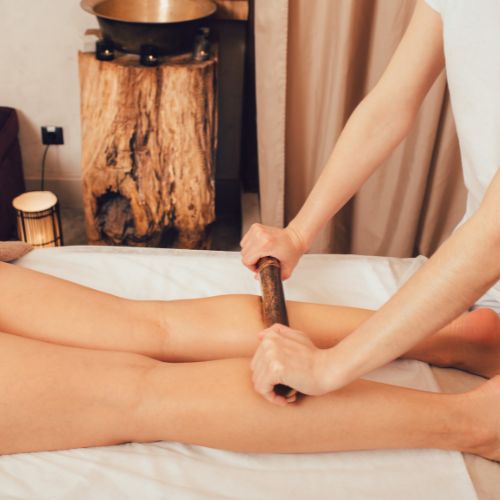
The therapist gently applies warm oil from the knees to the toes, using leg strokes, ankle circles, gentle toe stretches, and pressure on five marma points of each sole for 20-30 minutes, promoting relaxation.
Kansa Bowl Massage
The therapist rubs the soles with a small bronze bowl (Kansa vati) in slow circles. Kansa is a traditional alloy used in Ayurvedic foot care, and many people find this the most relaxing part of the session.
Rest
Extra oil is wiped off and your feet are wrapped in a warm towel. You rest for about 10 minutes before you leave. A full session usually takes 30 to 45 minutes, or about an hour with the consultation.
Preparation and Aftercare
Before your session
- Eat a light meal. Avoid coming straight after a heavy one.
- Tell the doctor about diabetes, foot wounds, fungal infections, varicose veins, pregnancy or blood-thinning medicines.
After your session
- Wear the socks or slippers we give you. Oiled soles are slippery on smooth floors.
- Wait 30 to 60 minutes before washing your feet, and use warm water, not cold.
- Avoid walking barefoot on cold floors for the rest of the day.
- An evening session is ideal, as most people sleep better the same night.
Begin Your Wellness Journey
Book Padabhyanga in Noida
Ready for lighter, softer, rested feet? Call 0120-420-6451 or +91-8383-05-3523, or fill in the form below to book a consultation and Padabhyanga session at Vedic Suttra Wellness Center, Sector 93, Noida.
Frequently Asked Questions
No. Both work on the soles, but reflexology follows a modern map of reflex zones. Padabhyanga follows the Ayurvedic marma points and uses warm medicated oil to calm Vata dosha.
The massage itself lasts about 20 to 30 minutes. With cleansing, the Kansa bowl and rest, plan for 30 to 45 minutes, or about an hour with the consultation.
Yes. Ayurveda recommends a few minutes of foot massage with warm oil before bed as part of the daily routine. Our therapists can show you a simple routine after your session. Wear socks afterwards so you do not slip.
Many people sleep more deeply on the night of a session, which is why we suggest evening appointments. For long-standing sleep problems, the doctor usually combines it with other therapies and advice on daily routine.
Sesame oil is the classical choice for dry, cracked or tired feet. For pain the doctor may choose Ksheerabala or Mahanarayan oil, and for burning feet, ghee or a cooling oil.
It can be, with care. If you have reduced feeling, wounds or poor circulation in your feet, the doctor must check your feet first and the therapist will use only light pressure.