
Most people don’t know that continuous sneezing is not just a minor cold, it can be hay fever.
Hay fever, also known as allergic rhinitis, is often taken for granted and misunderstood as a normal issue.
However, if not properly managed, it can affect your health and worsen over time.
But don’t worry, the allergic rhinitis signs and symptoms given below will help you understand the real issue and identify whether your continuous sneezing is due to a cold or hay fever.
What is Allergic rhinitis?
Ayurveda says that most health issues our body suffers from are caused by internal imbalance rather than external factors.
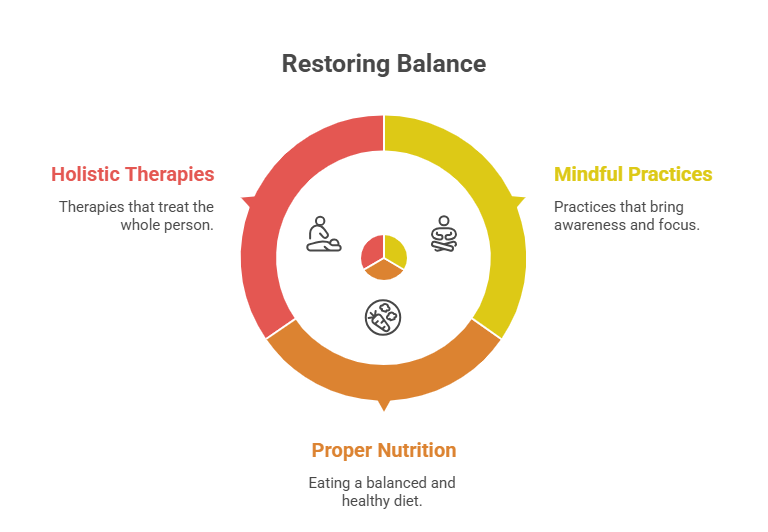
When your hormones or doshas are imbalanced, it affects your health, but the body also has the ability to restore balance when supported properly.
Allergic rhinitis is also something that correlates with a condition known as Pratishyaya.
Pratishyaya is a term used for nasal disorders or issues, and allergic rhinitis can be understood as one of them.
So, according to Ayurveda, allergic rhinitis happens because of an imbalance in the body, particularly Vata-Kaphaja Pratishyaya. Our body has three energies, also known as doshas: Vata, Pitta, and Kapha.
In this case, Kapha, which represents the mucus or water element in the body, becomes excessive, and Vata, which represents air, gets disturbed. Together, they cause issues like excessive mucus production, continuous sneezing, and a blocked nose.
Apart from this, Agni, which refers to digestion, if weak or imbalanced, leads to the formation of “Ama” (toxins) in the body.
This makes your body more sensitive and weakens immunity, making it more reactive to external triggers like dust, pollen, and cold weather.
So, in short, allergic rhinitis happens when the body is imbalanced, and the immune system is weak. As a result, even small triggers like dust particles or mild cold weather can cause a reaction.
Signs of Allergic Rhinitis
Runny nose and blocked nose
When a person is continuously facing a runny nose, heaviness in the nose, blocked nose, difficulty in breathing, and sneezing, it means that there are high chances that it is allergic rhinitis.
Allergic rhinitis is not a health problem like our seasonal cold.
It does start with normal sneezing and a runny nose, but unlike a cold, it takes weeks or even months to improve, and what keeps it worse is dust, pollen, and even pet dander.
Ayurveda says allergic rhinitis happens because of an imbalance of Kapha dosha in your body.
We know that when Kapha increases, it leads to an excessive amount of mucus production and accumulation in the respiratory channels.
If a person has weak digestion and weak immunity, then Ama, which is toxins in the body, will make the condition much worse and make the symptoms more recurring.
Frequent sneezing
If you are sneezing continuously, that too right after waking up, then it is one of the earliest and most common signs that you have allergic rhinitis.
We all sneeze when we come in contact with any type of dust, pollen, extreme fragrance, or because of a sudden temperature drop, and this occasional sneezing is okay.
But sneezing repetitively every day, every time when inhaling the smallest amount of dust or any other thing, is something that you should not ignore.
Allergic rhinitis usually happens when allergens irritate the lining of the nose, and this irritation triggers a protective reflex in the body, which leads to continuous sneezing.
And according to Ayurveda, this happens because of an imbalance of both Kapha and Vata doshas.
Because of Kapha imbalance, our body starts creating an excessive amount of mucus.
Poor Sleep or Fatigue
The most common symptom of allergic rhinitis is poor sleep or fatigue.
When suffering from allergic rhinitis, a person is constantly sneezing and has a blocked nose, which causes irritation and itching too, so all these things make breathing difficult, especially while sleeping, which leads to disturbed sleeping patterns and frequent waking up in the middle of the night.
And as a result, the person will wake up tired and low on energy, even after sleeping for hours.
And this is also not something that will get normal in one week or something. It can take time, and with time, the continuous lack of restful sleep can cause more health issues.
According to Ayurveda, fatigue is linked to an imbalance in the doshas, particularly Kapha and Vata, along with weakened digestive fire, known as Agni.
When Agni is low, the body is unable to properly process nutrients, leading to low energy levels and the buildup of toxins, Ama.
Itchy nose, throat or eyes
Again, one of the clear signs of allergic rhinitis is continuous itching in the nose, throat, or eyes.
A person can feel an uncontrollable urge to rub their nose, scratch their throat, or blink repeatedly due to irritation in the eyes.
This discomfort can worsen when you are exposed to allergens such as dust, pollen, or pet dander, and it may continue for long periods if the trigger remains present.
According to Ayurveda, this symptom mainly happens because of the gathering of toxins, known as “Ama,” along with an imbalance in the doshas, particularly Kapha and sometimes Pitta.
This creates sensitivity in the upper respiratory tract and related areas like the eyes and throat, making them more reactive to external factors.
Watery or Red Eyes
If your eyes water frequently without any emotional reason, it could be a sign of allergic rhinitis.
Many people experience redness, irritation, or a burning sensation in the eyes along with excessive tearing.
This symptom often appears alongside sneezing or a runny nose and tends to worsen when exposed to allergens such as pollen, dust, or pollution.
Ayurveda says watery or red eyes are linked to an imbalance of Pitta and Kapha doshas.
Pitta is associated with heat and inflammation, while Kapha is related to fluid and mucus.
When both are disturbed, it can result in eye irritation, redness, and excessive watering.